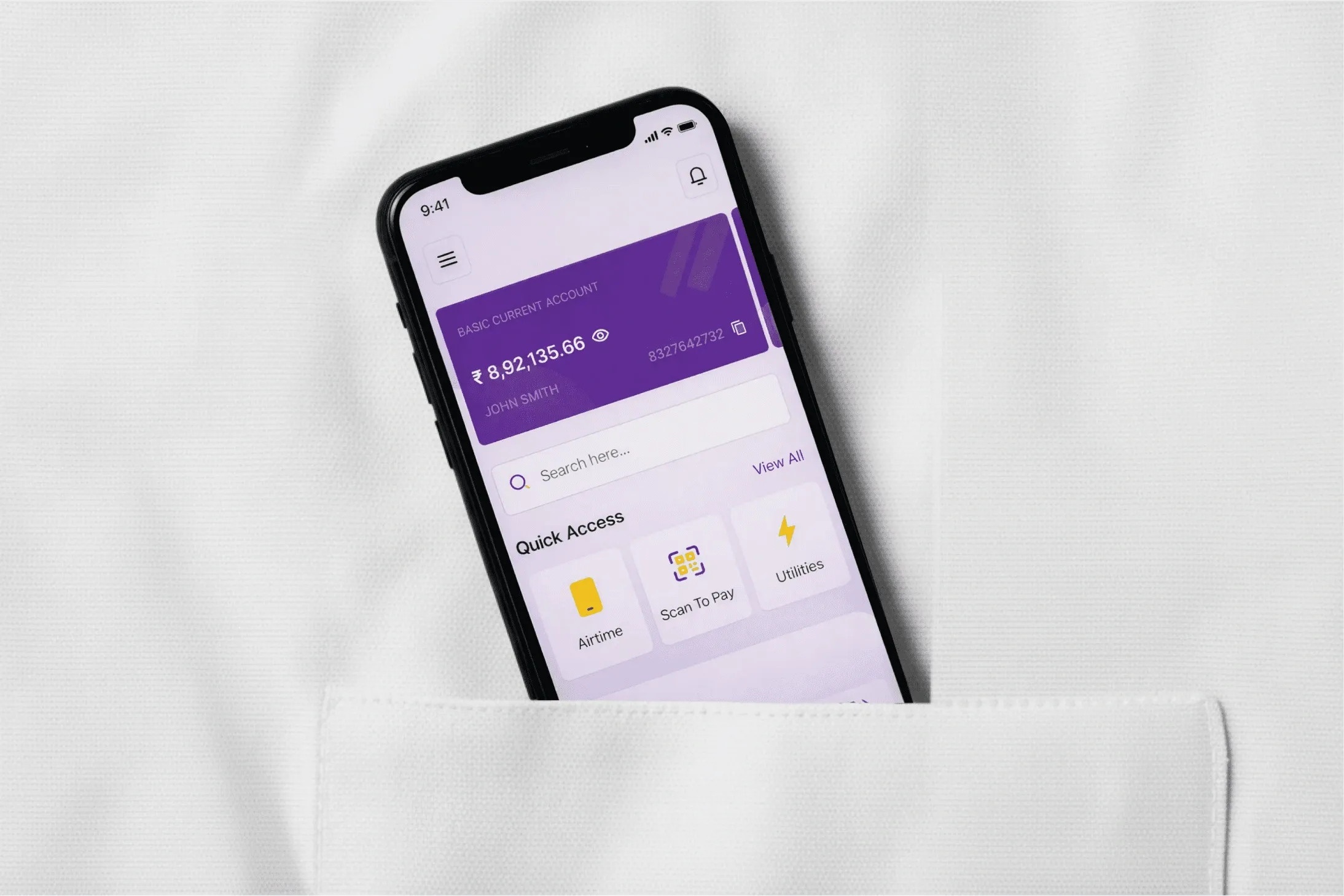
Tcules combined stakeholder interviews, competitor analysis, and app-store and social research with twenty qualitative interviews matching the intended personas. We then turned the findings into product priorities, concept material and a UX strategy to inform the next round of investment.
Twenty merchants shaped the concept before anyone committed to code.
Related Tcules services: UX Research and Product Design.
Kirana store payment app UX research, ending with twenty user interviews
Before any development, the research drew on four kinds of source:
- Stakeholder conversations clarified the proposed business and product direction.
- Competitor analysis and public reviews showed category expectations and recurring complaints.
- Social and app-store material supplied language and issues worth investigating.
- Speaking with intended users came next.
Twenty interviews brought the intended users’ payment habits, concerns and expectations into the client's thinking. The team could compare the concept with the way merchants described their work, then look for patterns across the interviews.
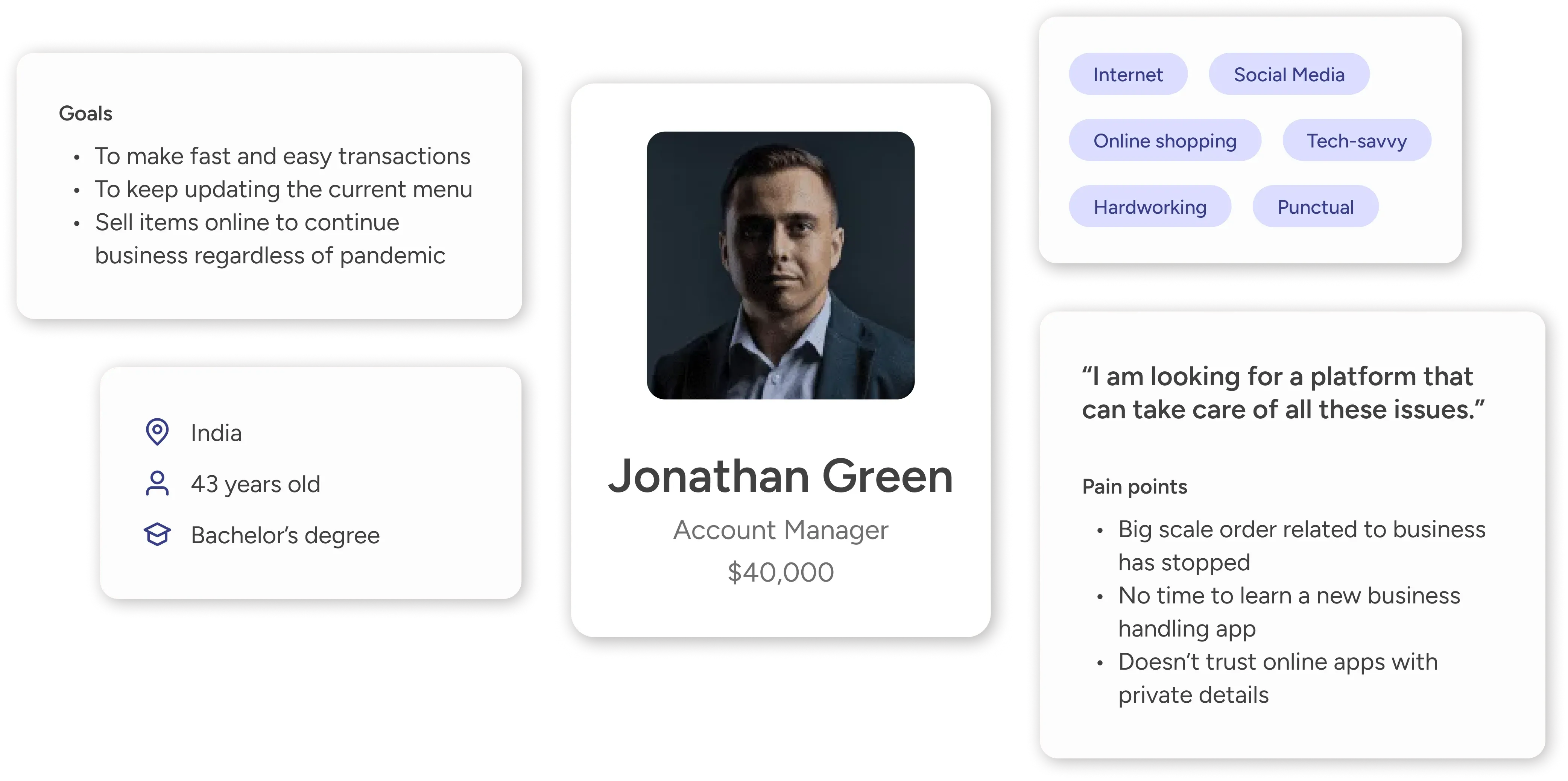
User persona for the kirana-store payment app research
Shaping a payment concept with research the client could act on
Tcules synthesised the research into product and marketing priorities. That helped the client choose which problems deserved a place in the concept and what needed further investigation.
Payment product discovery research that product and marketing shared
The research gave the client a stronger basis for choosing what to build. The concept and UX strategy were informed by intended users, category research and the business behind it. Product and marketing could work from the same findings.
The research raised the hard questions while changing direction was still cheap.
What the client received before any development
In short:
- several sources informed the research plan
- twenty qualitative interviews examined intended-user behaviour and perception
- findings were synthesised into product and marketing direction
- all of it arrived before development, when changing direction cost least
The research gave the client a way to assess the opportunity before funding application development.
UX research before building: five questions to answer first
Research is most useful when the team knows which choice it must make. Before a prototype or build, define:
- Which assumption could make the product direction wrong?
- Which source can examine that assumption?
- What would change the team's mind?
- Which result requires a prototype, and which requires real operation?
- What remains outside the research team's authority?
Tcules' UX research starts from the choice you need to make, then gathers what will answer it. Our wider work on payment and lending products sits under FinTech.
Questions about the merchant payments research
How did Tcules research a merchant payment concept?
Tcules combined stakeholder interviews, competitor analysis, and app-store and social research with twenty qualitative interviews matching the intended personas. The findings became product and marketing priorities, concept material and a UX strategy, all before any development began.
What did the twenty interviews give the client?
They brought the intended users' payment habits, concerns and expectations into the client's thinking. The team compared the concept with the way merchants described their work, then looked for patterns across the interviews, alongside stakeholder, competitor and app-store research.
Who was the payment app for?
Kirana store owners, who run India's neighbourhood grocery shops. The research, concept material and UX strategy were shaped by how those merchants described their own work, alongside stakeholder and competitor research.
What did the client receive?
Research findings, concept material and a UX strategy that product and marketing could prioritise from. It all arrived before development, so the client could assess the opportunity before funding the app's build. Related payment and lending work sits under FinTech.